


Why Practical Learning Is Key to Student Success

Education is evolving, and so are the ways students learn best. Traditional classroom methods often focus on theory and memorisation, but practical learning offers a different approach that can significantly boost student success. This blog post explores why practical learning is essential, how it benefits students, and ways to incorporate it effectively.
The Importance of Practical Learning in Education
Practical learning bridges the gap between theory and real-world application. It allows students to engage actively with the material, making learning more meaningful and memorable. When students participate in practical tasks, they develop critical thinking, problem-solving skills, and confidence.
For example, in science classes, conducting experiments helps students understand concepts better than just reading about them. In history, role-playing or visiting historical sites can bring events to life. These experiences make learning dynamic and relevant.
Practical learning also caters to different learning styles. Some students grasp concepts better through doing rather than listening or reading. This approach ensures that education is inclusive and effective for a wider range of learners.

How Practical Learning Enhances Student Engagement and Retention
Students who engage in practical learning tend to be more motivated and focused. This is because they see the direct impact of their efforts and understand the purpose behind their studies. Practical activities make lessons interactive, which reduces boredom and distractions.
Moreover, practical learning improves knowledge retention. When students apply what they have learned, they reinforce their understanding. For instance, building a model in a technology class or writing a story in a language class helps solidify concepts.
Teachers can incorporate hands-on learning activities to create a stimulating environment. These activities encourage collaboration, creativity, and communication among students, which are essential skills for future success.

What are the 4 types of learning activities?
Understanding the different types of learning activities can help educators design effective lessons. The four main types are:
Experiential Learning - Learning through direct experience, such as internships, field trips, or experiments.
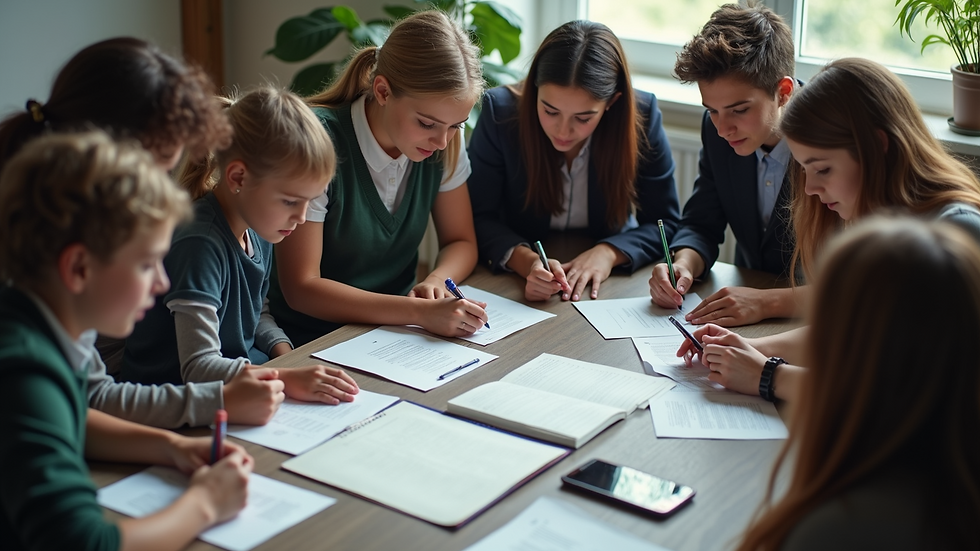
Collaborative Learning - Working in groups to solve problems or complete projects, fostering teamwork.
Reflective Learning - Encouraging students to think about what they have learned and how it applies to their lives.
Problem-Based Learning - Tackling real-world problems that require critical thinking and research.
Each type plays a unique role in practical learning. Combining these approaches can create a rich educational experience that prepares students for real challenges.
Practical Strategies to Implement Practical Learning
Incorporating practical learning into the curriculum does not require a complete overhaul. Here are some actionable recommendations:
Use project-based assignments: Assign projects that require students to research, create, and present their findings.
Incorporate technology: Use simulations, virtual labs, and educational software to provide interactive experiences.
Encourage fieldwork: Organise visits to museums, factories, or nature reserves to connect classroom knowledge with the outside world.
Promote peer teaching: Let students explain concepts to each other, reinforcing their understanding.
Integrate real-life problems: Use case studies or current events to make lessons relevant.
These strategies help students develop practical skills while keeping them engaged and motivated.
The Long-Term Benefits of Practical Learning for Students
Practical learning equips students with skills that go beyond academic success. It fosters independence, adaptability, and lifelong learning habits. Students who experience practical learning are often better prepared for the workforce because they have hands-on experience and problem-solving abilities.
Additionally, practical learning builds confidence. When students see the results of their efforts, they feel more capable and motivated to tackle new challenges. This positive mindset is crucial for personal and professional growth.
Educators and parents should prioritise practical learning to ensure students are not only knowledgeable but also skilled and ready for the future.
Practical learning transforms education by making it active, relevant, and engaging. By integrating hands-on experiences and diverse learning activities, students gain deeper understanding and essential life skills. Embracing practical learning is a step towards nurturing successful, confident, and capable individuals.


Comments